
Sustainable Practices for Nonprofits: A Consultancy Approach


Introduction to Sustainability in Nonprofits
As the world becomes increasingly aware of environmental issues, nonprofits are uniquely positioned to lead by example in adopting sustainable practices. However, the journey to sustainability can be complex, involving operational changes and strategic planning. Partnering with a consultancy can provide the expertise and guidance necessary to implement these practices effectively.

The Role of Consultancies in Driving Change
Consultancies offer a wealth of knowledge and experience in sustainability, which is crucial for nonprofits aiming to reduce their environmental impact. By conducting thorough assessments, consultants can identify areas where sustainable practices can be integrated, ensuring that changes align with the organization’s mission and goals.
Consultants can also help in setting realistic sustainability targets, creating a roadmap that outlines actionable steps. This tailored approach ensures that each nonprofit can progress at a pace that suits its resources and capabilities.
Key Areas of Focus for Sustainable Practices
Energy Efficiency
One of the primary areas where nonprofits can make a significant impact is energy efficiency. Simple changes, such as switching to LED lighting or installing programmable thermostats, can lead to substantial reductions in energy consumption.

Waste Management
Implementing effective waste management practices is another critical aspect. This includes establishing recycling programs, reducing single-use plastics, and encouraging digital over paper communications. Consultancies can provide strategies to streamline these processes, ensuring they are both efficient and effective.
Engaging Stakeholders in Sustainability Efforts
Sustainability is a collective effort that requires buy-in from all stakeholders, including employees, volunteers, and donors. A consultancy can assist in developing communication strategies that highlight the importance of sustainable practices and encourage participation across the organization.
Training and Education
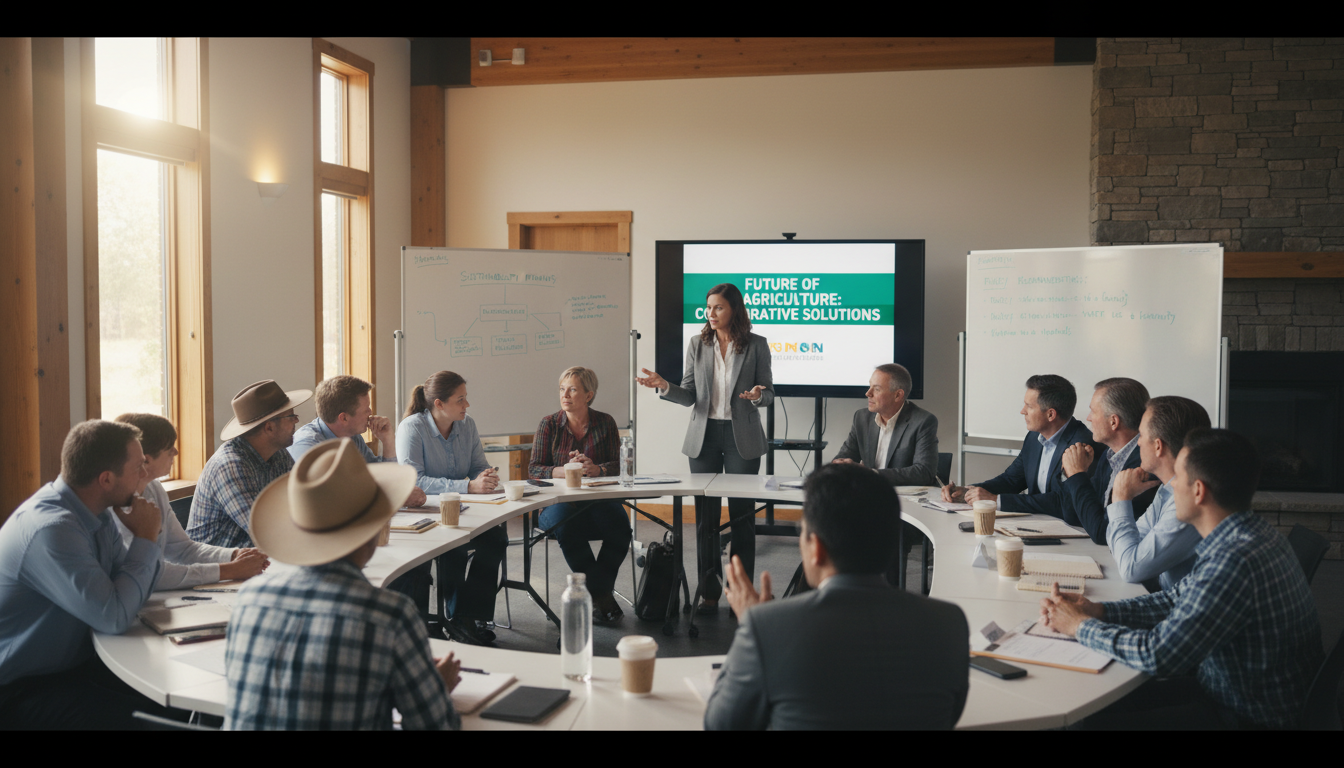
Offering training sessions and workshops can empower staff and volunteers to adopt sustainable habits. These educational initiatives can foster a culture of sustainability, ensuring that everyone is aligned with the organization's sustainability objectives.
Measuring and Reporting Progress
To ensure continued success, it is essential to measure and report on sustainability initiatives. Consultancies can help develop metrics and tools to track progress, providing valuable insights into what works and what needs adjustment.
Regular reporting not only demonstrates accountability but also helps in building trust and transparency with donors and the community.
Conclusion
Adopting sustainable practices is not only beneficial for the environment but also enhances a nonprofit’s reputation and effectiveness. By collaborating with a consultancy, nonprofits can gain the expertise needed to implement meaningful changes, ensuring a positive impact both environmentally and socially.